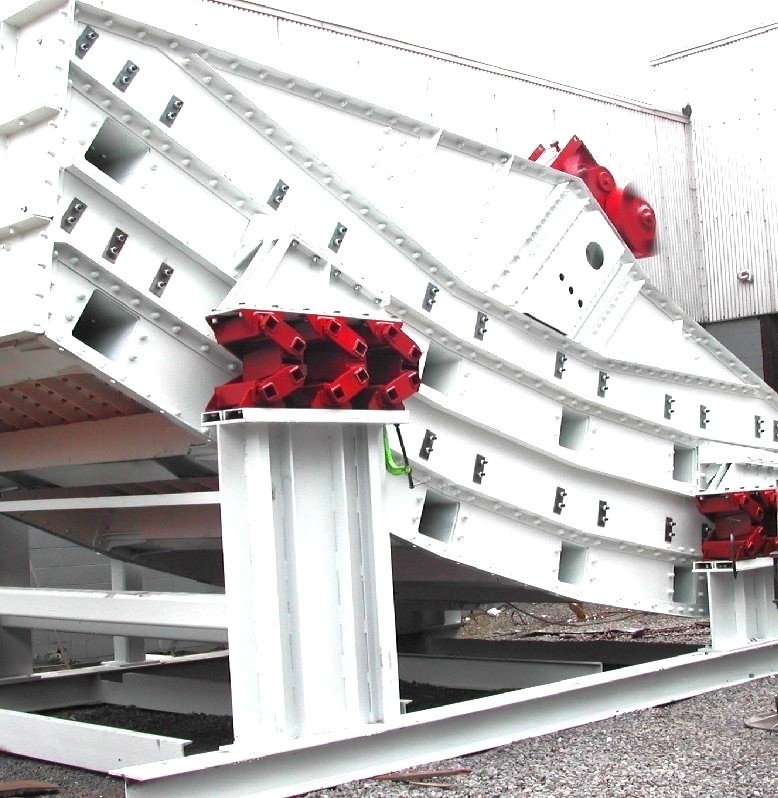
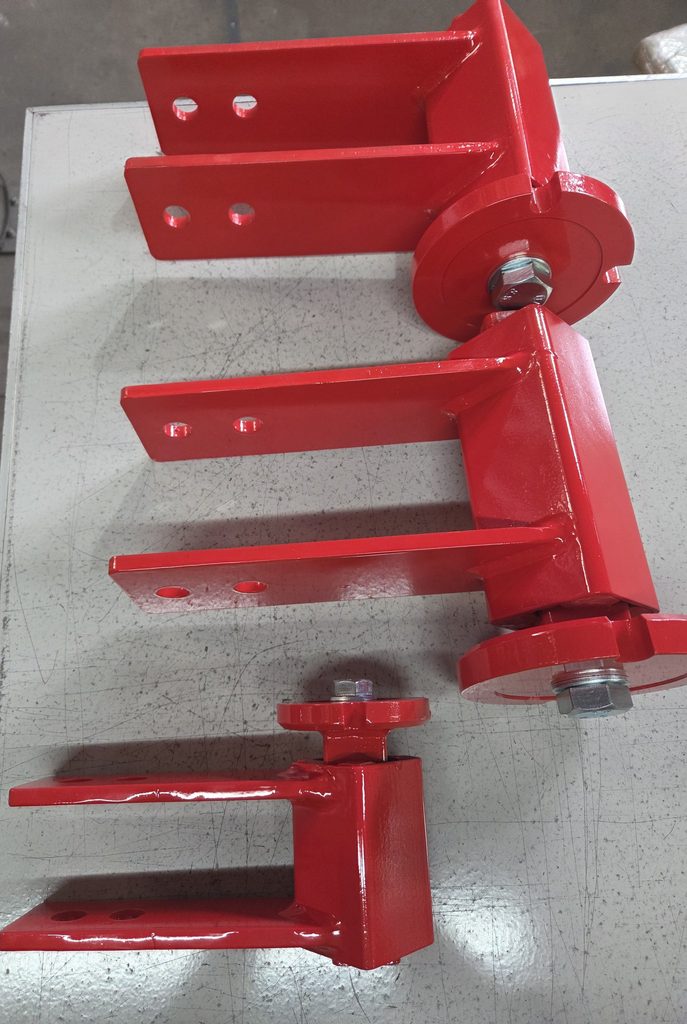
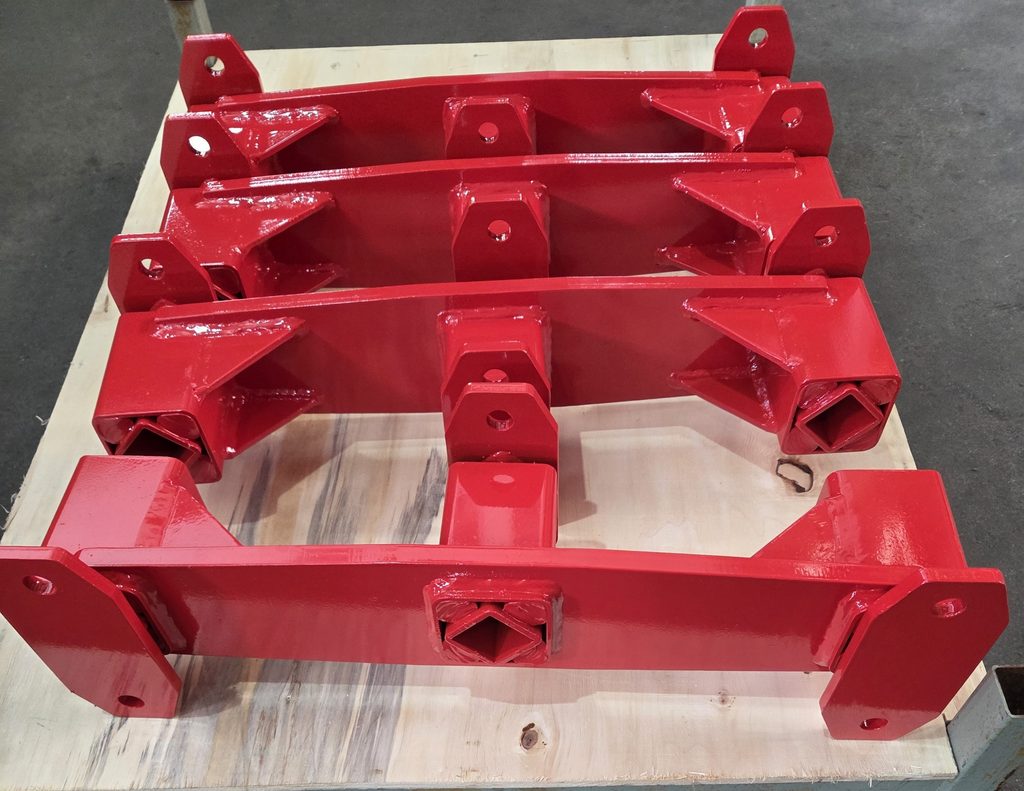
OST-Africa – specialists in the design and manufacture of screen, transmission and materials handling products – uses the Neidhart rubber suspension principle in equipment designed for industrial suspension, vibration control and mechanical tensioning. These products include rubber suspension units, screen mounts, self-tensioning motor bases, anti-vibration units, oscillating mounts, tensioning arms and impact mounts.
“Although applications of this equipment differ, each product makes use of the same mechanical arrangement, which combines spring, damping and bearing functions in a compact assembly,” explains Chantelle Scheepers, Marketing Manager, OST-Africa. “Neidhart technology enables OST-Africa to develop equipment for specific operating conditions, without relying on separate mechanical components to perform each function.
“The Neidhart system’s construction consists of an outer metal tube, an inner tube and four specially designed round rubber profiles compressed between the two tubes. When the inner tube rotates relative to the outer tube, the rubber profiles deform and generate a resisting torque. The rubber stores mechanical energy and releases it as the applied force changes. It also absorbs vibration and accommodates angular movement.”
OST-Africa has developed a range of products using these characteristics in different ways. Rubber suspension units provide elastic movement and a restoring force, while screen mounts and oscillating mounts accommodate the repeated movement associated with vibrating and oscillating machinery. In these applications, the rubber elements also contribute to vibration damping.
Anti-vibration units use the energy-absorbing properties of rubber to reduce vibration transmission between connected components. Tensioning arms, by comparison, make use of the torsional force generated by preloaded rubber elements to maintain mechanical tension as operating positions change.
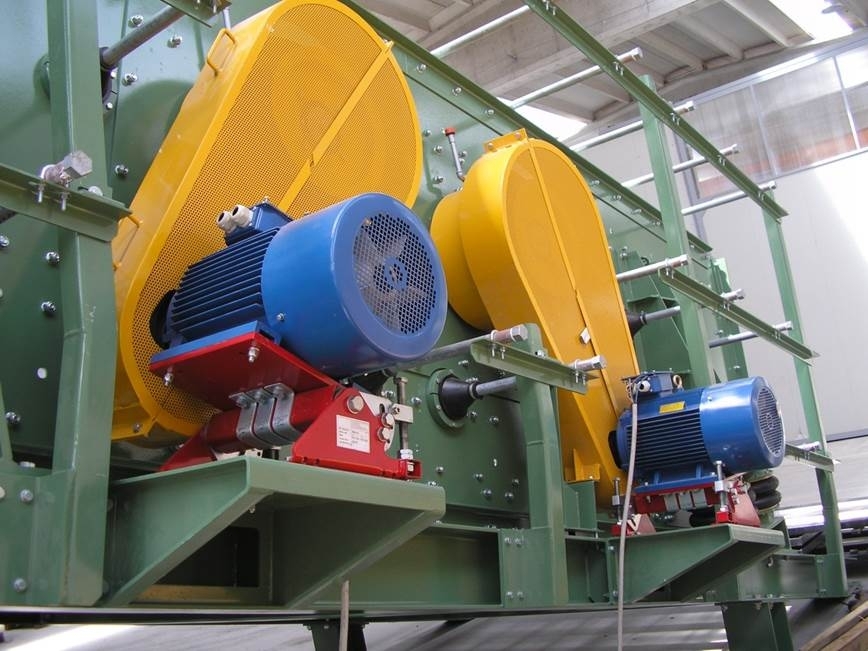
One of OST-Africa’s most important developments using this technology is its self-tensioning motor base.
The motor base was designed to address the problem of maintaining correct tension in V-belt drives. As belts stretch during operation, their tension changes and conventional drive arrangements may require periodic manual adjustment.
OST-Africa’s self-tensioning motor base automatically adjusts the motor position to compensate for belt stretch. The Neidhart rubber suspension unit provides a controlled torsional force, allowing the motor base to respond to changes in belt tension and maintain consistent belt tension.
This system helps maintain effective power transmission without repeated manual tensioning. The rubber elements also dampen vibration transmitted to the motor bearings and V-belts, ensuring smoother operation and helping to extend service life.
The design also simplifies belt replacement and adjustment, reducing maintenance time and improving machine availability. Once the motor and drive have been correctly aligned, the tensioning mechanism accommodates belt stretch, without requiring the motor to be repositioned manually.
An important feature of the Neidhart system is that the rubber elements act as both the spring and the bearing. These elements roll within the assembly as angular movement occurs, allowing the motor base to respond to changes in belt tension, without a conventional mechanical spring arrangement.
For OST-Africa, the significance of the Neidhart system is not simply the number of functions contained in one component, but the ability to adapt those functions to different mechanical duties.
The company’s commitment to the highest standards encompasses the integration of engineering, fabrication, assembly, painting and inspection at one facility. This enables close control over quality, lead times and the performance of every component.
OST-Africa’s specialised products are supplied to many industries throughout Africa and to markets in the United States, Europe, Australia and Asia.