Substandard cables and weak enforcement are fuelling preventable fires, highlighting that compliance with SANS standards is non-negotiable
08 July 2026: South Africans are being urged to exercise extreme caution when purchasing electrical extension cords, following growing concern across the industry about the influx of substandard and non-compliant products into the local market.
Recent warnings from Safehouse, a non-profit organisation that protects South African businesses and consumers from preventable harm caused by unsafe electrical products and services, highlight a concerning trend in that cheaper extension leads, often sold via online platforms, may use aluminium conductors instead of copper.
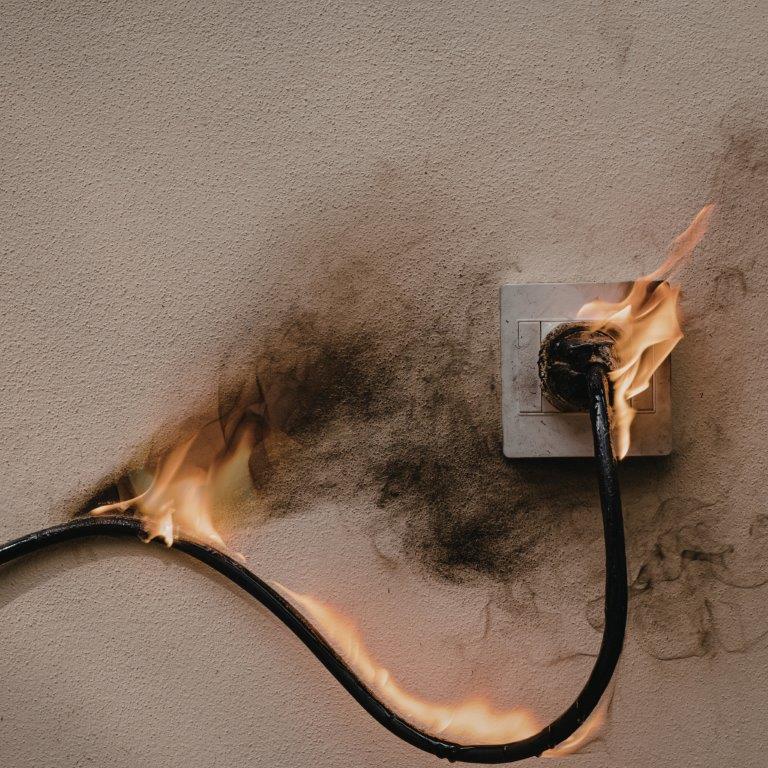
While less expensive, aluminium wiring cannot safely carry the same electrical load and is far more prone to degradation, overheating, and ultimately fire. “From a fire safety perspective, this is deeply worrying,” says Michael van Niekerk, CEO of ASP Fire. “When conductors degrade or overheat, ignition becomes a real possibility, especially in residential environments where extension leads are used continuously and often overloaded.”
Compliance failures and limited oversight
South Africa has established safety benchmarks through the South African Bureau of Standards (SABS), with applicable SANS standards governing electrical cables and appliances. However, enforcement remains inconsistent.
The National Regulator for Compulsory Specifications (NRCS), responsible for ensuring compliance, has been criticised for limited market surveillance, particularly in the fast-growing online retail space where many of these products are sold.
“Compliance on paper does not always translate to safety in practice,” adds van Niekerk. “Testing regimes and Letters of Authority are important, but they must be backed by active enforcement and accountability across the supply chain.”
The hidden risks of ‘cheap’ electrical products
One of the biggest challenges for consumers is that non-compliant products are not always easy to identify. Price often becomes the only visible indicator. However, the consequences of choosing the cheapest option can be severe.
“Saving a few rand on an extension cable is simply not worth the risk,” points out van Niekerk. “We regularly see how electrical faults escalate into full-scale fires, particularly where poor-quality components are involved.”
Common risks associated with substandard extension leads include:
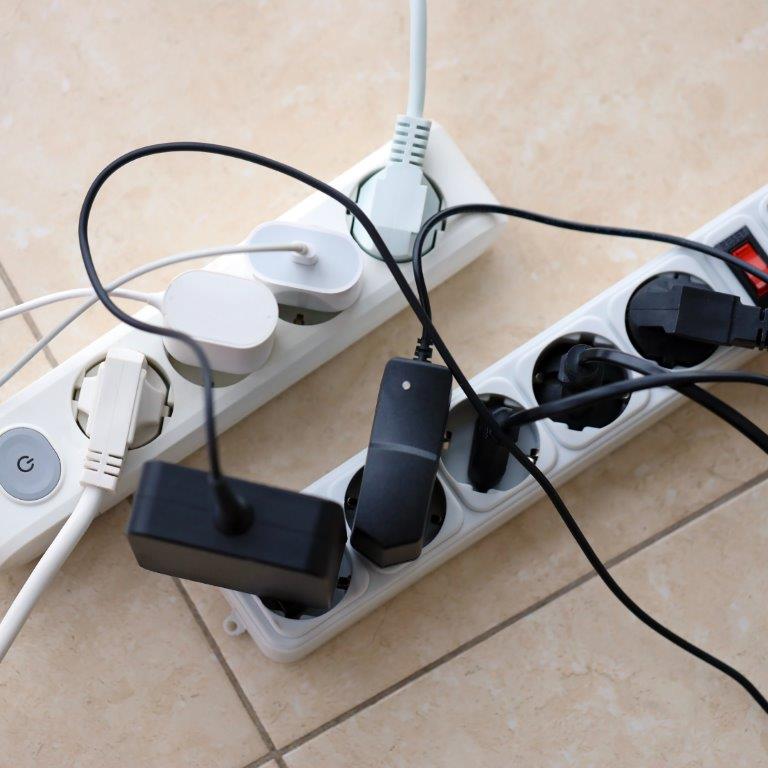
- Overheating due to inadequate current capacity and overloading of multi-plug adaptors
- Internal conductor breakage, especially with brittle aluminium wiring
- Increased likelihood of short circuits and ignition
Strengthening regulation and accountability
Encouragingly, the Department of Trade, Industry and Competition (DTIC) has announced tighter controls on imported goods, including the introduction of Certificates of Conformity (CoC) for certain product categories.
These certificates must confirm compliance with applicable SANS or recognised standards before products enter the country. Enforcement will be supported by the Border Management Authority and the South African Revenue Service, marking a step towards addressing the influx of unsafe goods.
Reducing fire risk is a shared responsibility between regulators, suppliers, and consumers. “Electrical fires are often preventable,” concludes van Niekerk. “Choosing compliant, quality-assured products, ensuring they are used correctly and installing them on circuits protected by earth leakage circuit breakers is one of the simplest and most effective ways to protect lives and property.”