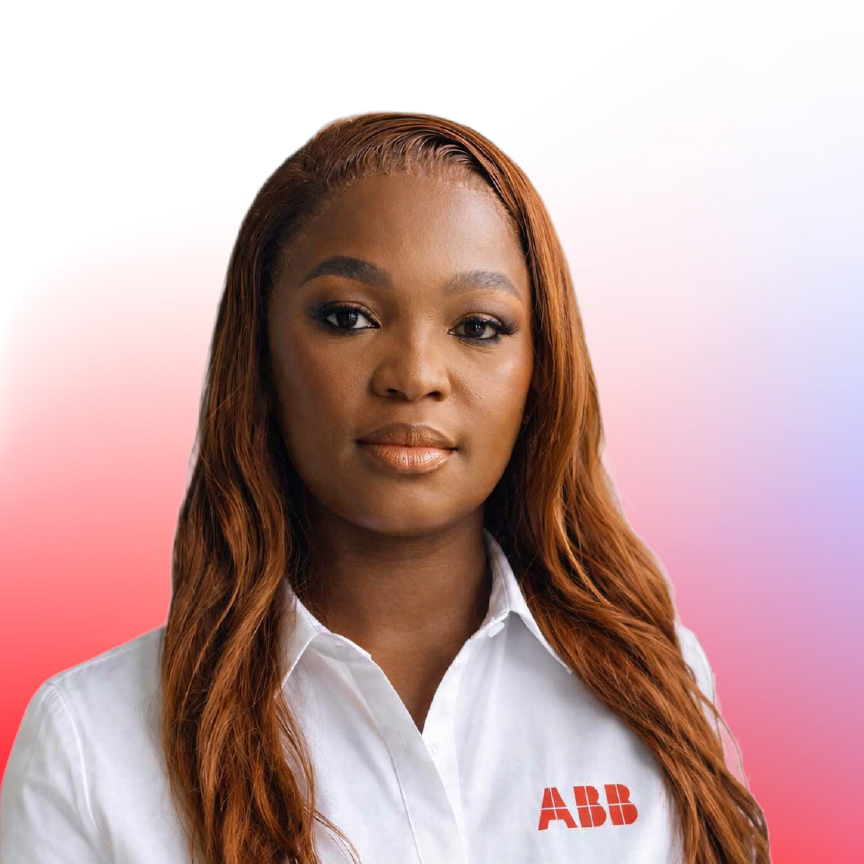
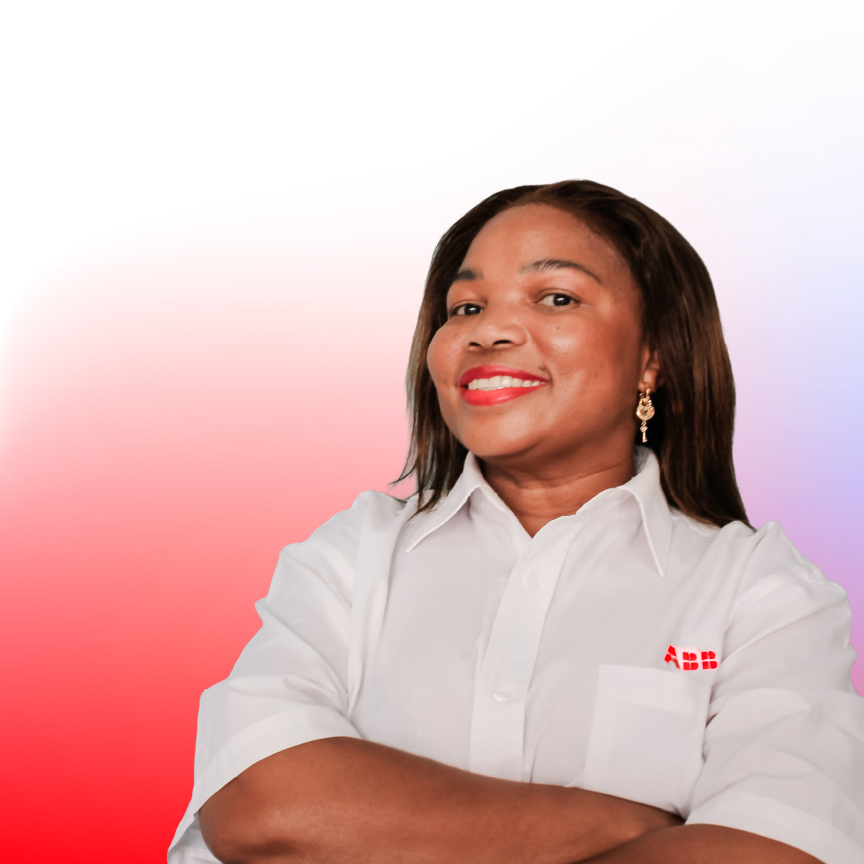
On International Women in Engineering Day 2026, ABB’s Adeline Maleka and Nokulunga Dube reflect on their career journeys, the importance of diversity, and the opportunities shaping Africa’s engineering future.
Celebrated annually on 23 June, International Women in Engineering Day (INWED) recognises the achievements of women engineers around the world while highlighting the importance of greater diversity and inclusion within the profession. At ABB Electrification, women engineers are helping to shape the future of energy, mobility and digital infrastructure, while inspiring the next generation of talent.
For Adeline Maleka, Technical Design and Promotion Specialist at ABB Smart Power & Smart Building, engineering has always been driven by curiosity. “As a little girl, my dream was to become an astronaut because I wanted to dance among the stars,” she says. “While my journey took a different trajectory, that sense of wonder never left me.”
Today, her role sits at the intersection of technology, strategy and market growth, where she helps drive the positioning and commercial expansion of ABB’s integrated digital solutions. Her work spans smart buildings, energy distribution and data centre technologies, while she is also actively developing route-to-market strategies for ABB’s electric vehicle charging infrastructure.
For Nokulunga Dube, an Engineer-in-Training within ABB’s Electrification Low Voltage Sales and Business Development team, engineering offered the perfect blend of creativity and problem-solving. “Engineering appealed to me because it combines creativity, innovation and problem-solving,” she explains. “The opportunity to apply technical knowledge to develop solutions that make a real difference in industries and communities inspired me to pursue a career in engineering.”
Working closely with customers, Nokulunga helps identify solutions that improve operational efficiency, reliability and sustainability while gaining valuable exposure to both the technical and commercial aspects of the industry.
Growing through opportunity and support
Both women credit ABB’s culture of learning and development for helping them build successful careers. “My journey with ABB has been truly rewarding,” says Adeline. “I have been fortunate to work under supportive management that recognises and nurtures my talents alongside colleagues who genuinely want to see one another succeed.”
She notes that ABB’s inclusive policies create an environment where people can thrive, contribute meaningfully and achieve their full potential. Similarly, Nokulunga highlights the opportunities ABB provides through training, mentorship and exposure to innovative technologies.
“The company’s commitment to continuous learning has enabled me to expand both my technical and leadership capabilities,” she says. “Working in a global organisation also provides valuable opportunities to learn from diverse perspectives and best practices.”
Their career journeys have also demonstrated that engineering extends far beyond technical expertise. Adeline says one of her most important lessons was discovering that engineering is as much about people, markets and data as it is about machines and systems. Through engaging with diverse stakeholders and analysing complex markets, she has developed into a well-rounded technical and commercial professional.
For Nokulunga, working with customers and project teams across various industries has strengthened her technical knowledge, communication skills and confidence. “One of the most rewarding aspects of my career has been engaging with clients and industry stakeholders,” she says.
Challenging barriers and creating inclusion
While progress has been made, both women acknowledge that challenges remain for women entering and advancing within engineering careers. Nokulunga recalls often being one of only a few women in technical meetings and project environments.
“At times, this meant having to work harder to establish credibility and confidence,” she says. “I overcame these challenges by continuously developing my technical knowledge, delivering quality work, and remaining confident in my abilities.”
Adeline believes organisations must go further in recognising the realities many women face in the workplace. “The original design of most work environments was never built with women in mind,” she says, reflecting on the early years of her career, which included night shifts, long commutes and balancing the demands of motherhood alongside critical projects.
She argues that true inclusion goes beyond recruitment targets and diversity policies. “True inclusion is not just a diverse hiring policy. It is intentional transformation that understands how a woman’s body and biology influence her experience at work.”
Adeline believes more open conversations are needed around issues such as menstruation, perimenopause and menopause, and that organisations should create flexible frameworks that support women through different stages of life without stigma or penalty.
The power of diversity and mentorship
For both engineers, diversity is fundamental to innovation. “The engineering ecosystem truly thrives when everyone contributes, regardless of how they look, where they come from, or the path that brought them here,” says Adeline. “Complete solutions require complete representation.”
Nokulunga agrees, noting that engineering solutions affect people from all walks of life and should therefore reflect the diversity of the communities they serve. “Greater representation also helps inspire future generations, showing young people that engineering is a field where everyone can contribute and succeed,” she says.
Mentorship is another area both women consider critical to building a stronger profession. Adeline credits inspiring mentors with helping shape her own career and believes successful mentorship is about building sustainable capability.
“True mentorship is demonstrated when systems, structures and people continue to perform effectively in your absence,” she says. Nokulunga likewise sees mentorship as a vital tool for professional development, helping young engineers gain confidence, expand their networks and navigate challenges through the guidance of experienced professionals.
Preparing for the future
Looking ahead, both women believe future engineers will need a combination of technical expertise and human-centred skills. According to Nokulunga, adaptability, communication, problem-solving and continuous learning will become increasingly important as technology continues to evolve.
Adeline agrees and emphasises the need for collaboration, agility and a commitment to continuous improvement. “Over the course of my career, I have had the privilege of witnessing how technology has revolutionised industries,” she says. “Continuous development is of utmost importance to remain relevant, embracing AI as a key player.”
Perhaps most exciting for both women is the opportunity engineering presents for Africa’s future. Adeline points to the rapid growth of data centres, the expansion of electric vehicle charging infrastructure and the continent’s vast renewable energy resources as transformative opportunities.
“With Africa’s extraordinary abundance of solar, wind, hydro and geothermal resources, the continent has everything it needs to lead the global clean energy transition,” she says. Nokulunga shares a similar optimism.
“What excites me most about the future of engineering in Africa is the transformational role it will play in shaping sustainable growth, innovation and global competitiveness,” she says. “Africa is at a turning point where engineering is not just about infrastructure. It is about unlocking human potential and redefining industries.”
Inspiring the next generation
As INWED celebrates the achievements of women engineers worldwide, both Adeline and Nokulunga encourage young women to view engineering as a field full of opportunity. “Engineering is not as intimidating as it appears,” says Adeline.
“It is one of the most exciting, fastest-growing, and opportunity-filled fields you could ever enter.” Nokulunga offers a similarly empowering message: “Believe in your abilities and do not be afraid to pursue your ambitions.”
Together, their journeys demonstrate how curiosity, perseverance, mentorship and diversity are helping to build a stronger engineering profession, one that is better equipped to solve the challenges of tomorrow and create a more sustainable future for all.